
What you gain and how we do it
- 01
Checking technical aspects and indexing
errors, redirects, speed, and elements blocking visibility
- 02
Assessing structure and content
whether the website has the right layout for services, categories, and queries
- 03
List of implementation priorities
what to do first to see a real effect
We reply within 24 hours.
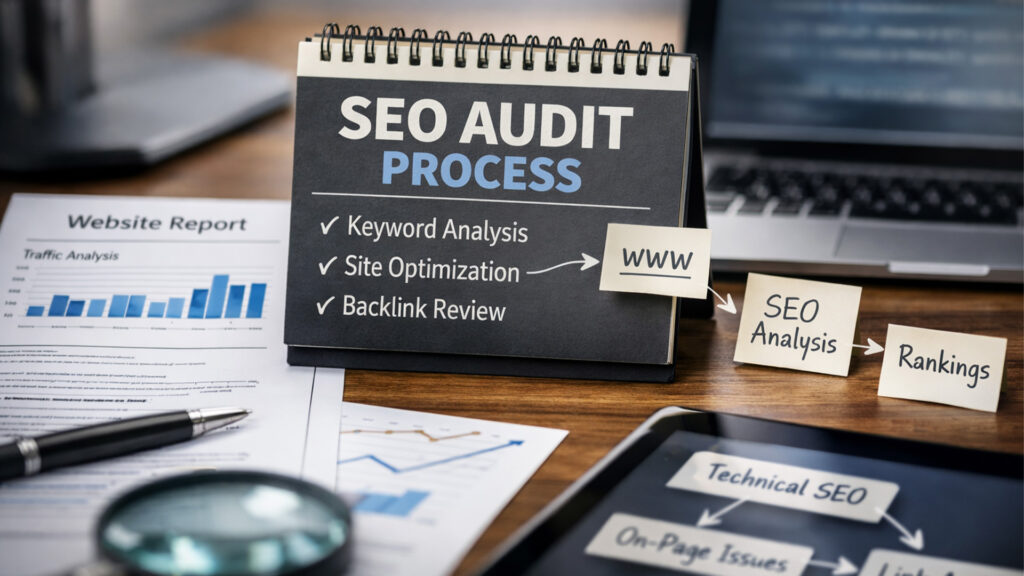
Who an SEO Audit Is For
and When It Makes the Most Sense
An SEO audit works both as the starting point for positioning and as a diagnosis when something has stopped working. In many cases, it also helps before larger website changes because it helps avoid traffic losses after implementation.
Drops in Google traffic
When visibility is falling and it is unclear whether the problem is technical aspects, content, or website changes.
Lack of inquiries or sales despite traffic
When the website receives visits but does not generate contacts or orders - the audit shows whether you are targeting the right keywords and whether the landing page works.
Starting SEO
When you want to start positioning a website or store and need an action plan and priorities.
Website change, rebuild, or migration
When you are planning changes, the audit helps secure SEO and avoid problems after publication.
Chaos in content and structure
When the website has many similar pages and Google does not know which one to show (cannibalization).
What an SEO Audit Looks Like -
Technical, Content, and Domain Authority
We base the SEO audit on three pillars. This gives us a complete picture: whether Google can read the website (technical), whether the content answers user intent (content and on-page), and whether the domain is credible compared to competitors (authority and links).
Pillar 1 - technical
Indexing, errors, redirects, sitemaps, robots, canonicals, performance, stability.
Indexing and accessibility for Google
We check whether important pages are indexed and unnecessary ones are excluded - and whether Google is not wasting crawl budget.
Redirects, canonicals, and sitemaps
We verify 301/302 redirects, canonicals, sitemap, and robots.txt to avoid duplication and incorrect signals for the search engine.
Performance, stability, and mobile
We assess Core Web Vitals, loading speed, and layout stability because they affect user experience and SEO results.
Pillar 2 - content and structure
Content quality, topical gaps, duplications, intent matching, headings, internal linking.
Matching user intent
We check whether pages answer real customer questions and guide users toward a decision, rather than only describing the topic.
Duplications and topical gaps
We detect duplicated content and gaps in the offer/topics that cause cannibalization or give traffic away to competitors.
Headings, linking, and information structure
We organize the H1-H3 hierarchy and internal linking so key pages are strengthened and easier to find.
Pillar 3 - domain authority
Link profile, risks, comparison with competitors, and recommendations for safe actions.
Link profile analysis and quality of referring domains
We check where links come from, whether they are high quality, and whether the profile looks natural compared to competitors.
Risks and unnatural signals
We detect risky sources, linking patterns, and potential issues that may destabilize visibility.
Recommendations for safe authority building
We propose quality-based actions: strengthening the brand, publications, industry directories, and links that make business sense.
Part 1 - Technical Audit
for Positioning
In this part, we check whether Google can efficiently visit and index the website. Technical problems can stop growth even when the content is good. We focus on elements that genuinely affect visibility and indexing stability. What we check technically.
Indexing and accessibility
4xx and 5xx errors

Sitemap and robots
Canonicals and redirects
Pagination and filters
Part 2 - Content and Intent Audit
for SEO
In this part, we check whether the content on the website actually answers users' questions and whether it has the right quality. A content audit is not an assessment of writing style, but an analysis: whether the content is useful, complete, and free from duplication or empty pages.
What we pay attention to in content
Duplications and low-quality content
We detect pages that are too similar or do not add value.
Topical gaps
We check which topics are missing to complete the offer and customer intent.
Quality and completeness
Whether the content explains the service, process, scope, answers concerns, and leads to contact.
Content credibility
We verify whether the website builds trust: specific information, examples, and elements that show competence.
Part 3 - On-page and Website Structure Audit
Headings, Meta, Linking, and Structure
On-page means the elements on the website that help Google understand the topic and help users navigate the site. This is where problems with headings, metadata, internal linking, and the structure of services or categories often appear.
H1-H3 headings and content hierarchy
Whether the structure is logical and whether there are not several topics on one page.
Titles and descriptions (meta)
Whether metadata is consistent, unique, and matched to intent.
Internal linking
Whether pages support each other and whether users have a logical path to the offer.
Service and category structure
Whether the division is clear and allows the website to develop without cannibalization.
Content cannibalization
We detect where several pages compete for the same keywords and suggest how to organize them.
Part 4 - Keyword Audit
and Mapping Keywords to Pages
This is the part that turns the audit into a strategy. We check which keywords the website can realistically work for, where landing pages are missing, and how to assign topics to specific pages. This keeps the content and structure plan consistent. What we do in keyword mapping:
Keyword → specific page
Every important keyword should have its place: service, category, guide, or local page.
Detecting cannibalization
If several pages target the same thing, we show how to separate or merge them.
Missing landing pages
We indicate where pages or sections are missing that could capture traffic from Google.

Part 5 - Link Audit
and Domain Authority
External links are still an important signal, but they must be assessed carefully. In the audit, we analyze the link profile, risks, and compare the situation with competitors. The goal is to build authority safely, without actions that could harm the domain. What we check in links:
Link profile and source quality
Whether links look natural and come from sensible places.
Risks and unnatural patterns
We detect elements that may weaken the domain.
Comparison with competitors
We check what competitors' authority looks like and what level of action makes sense.

E-commerce SEO Audit -
Additional Elements of a Store Audit
An online store SEO audit includes additional elements that often do not appear on company websites. In stores, most problems come from indexing filters, product variants, pagination, and content duplication. What else we check in stores.
Filter indexing
Product variants and duplications

Product data
Listing and catalog navigation
Priorities and Implementation Plan
after the SEO Audit
After the audit, we arrange an action plan. First come the things that unlock indexing and remove errors, then structure and content, and finally work that requires more effort. This makes it clear what to do in the first weeks and how to plan the following months. How we set the order:
Urgent fixes
Errors that block indexing or break website functionality.
Important fixes
Website structure, on-page order, cannibalization, key content.
Development
Content expansion, further organization, and authority-building activities.
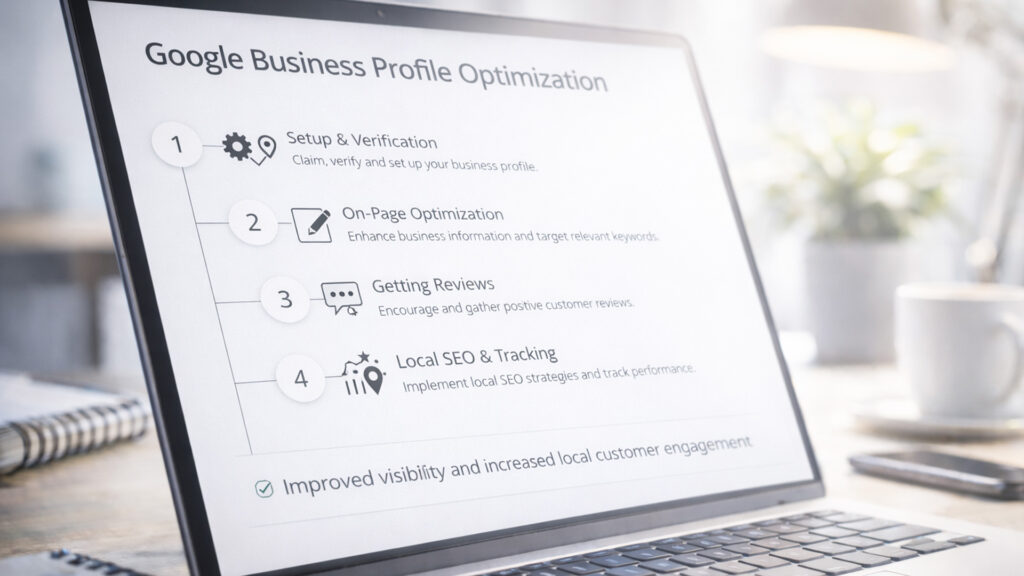
SEO Audit for Websites and Online Stores in Brief and
Step by Step
If you want to quickly see what an SEO audit for websites and stores includes, below is a summary of the process. It is a useful checklist before starting an audit.
Technical
Content
Structure and On-page
Keywords
Links
Implementation Plan
Frequently Asked Questions
About SEO Audits
We answer the most frequently asked questions about SEO audits for websites and online stores.
How long does an SEO audit take?
It depends on the scale of the website. An online store audit usually requires more work than an audit of a company website.
What access is needed for the audit?
Most often, we need access to analytics tools (if available) and the ability to check website settings. The details depend on the technology.
Does the audit include an online store?
Yes. An e-commerce SEO audit includes additional elements: filters, pagination, product variants, and catalog indexing.
Will I receive a task list for the person implementing the changes?
Yes. The audit includes specific recommendations and priorities that can be handed over for implementation.
What happens after the SEO audit?
You can implement the recommendations on your own or with our help. In many cases, the audit is the beginning of further SEO work or website organization.